
Steady Ground | 6+ Weeks
Know where to put your energy next.
You don’t need a five-year plan to find your next right step. Together, we’ll look at both sides: what you’ve got to build on, and what needs attention. Then we make an action plan, starting with one step your team can take right away.

“Do the next right thing.”
Anna sang it in Frozen 2. I say it on the regular.
When there’s a lot on your plate, it can be hard to see the next right thing. If that’s where you’re at, you’re in good company. You probably care about a lot of things at once.
Let’s start with what’s already working: what you do well, what people are proud of, who’s there to help. Then we learn about what’s missing. When you can see both side by side, the next step shows up where a strength can meet a need.
Why look at both sides?
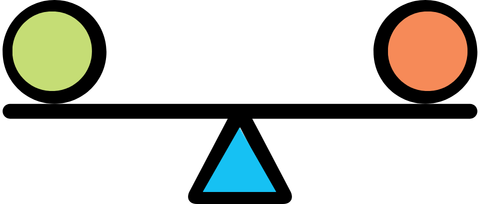
When we learn about strengths, it can give us hope. On its own, though, it doesn’t tell us what to prioritize.
Strengths
Needs
When we only focus on needs, we may get clear on what’s missing. That can be useful, but also overwhelming.
Learning about both sides at the same time shows us where our strengths and needs match up. That’s where we can make the most difference with the capacity we already have.
Balance
Who it’s for
Programs
deciding what to grow and what to weed out
Leaders
wanting to improve services and address root causes
Partners
trying to build solutions together
If you want someone to hand you the answers, or you need a broad plan, this may not be the right choice.
Reach out and we can point you to a better fit.
How it works
Six weeks is a guideline. We plan the pace together, around your calendar. We schedule things right at the beginning so you know what’s coming.
Weeks 1 and 2
Start with what you have
What we’ll learn: What you already know, and when your work is at its best.
Weeks 3 and 4
Hear from your community
What we’ll learn: What’s important to the people you support, and others who care about your work.
Week 5
Look at both sides
What we’ll learn: What are your strengths, the community needs, and where they meet.
Week 6
Choose and plan
What we’ll learn: What’s the next right thing, who will make it happen, and by when.
We anticipate where we’ll hit friction and make a plan for it, based on your experience and what we’ve learned from decades of working with organizations like yours.
We’ll actively offer accessible spaces and lay a solid foundation for mutual respect and confidentiality.
What you leave with
Most of all, you’ll leave with a clear sense of where to best put your energy. You can feel confident in the choice because your team and the people you support helped make it. You’ll experience a practiced way of making evidence-informed decisions that you can repeat.
You’ll also have a plan your team can use right away, that includes:
the next right thing, with responsibilities, first actions, and timing named;
a snapshot of current strengths and needs;
a pile to compost: things you can stop doing and an understanding of what you save;
ideas to come back to when capacity allows;
advocacy topics where you’re addressing needs that are system issues.
Steady ground isn’t perfectly flat. It’s solid enough to stand on with confidence while you take the next step.
What it costs
We believe in being transparent about costs so that you don’t spend your valuable time on something that’s not yet in reach. We recommend you have a lead team member with decision-making authority who has about 2 hours a week to contribute to the project.
Program: $6,500 | About 6 weeks
Organization: $9,000 | About 8-10 weeks
Collaboration: From $20,000 | About 12-16 weeks | with a lead from each partner who has about 1 hour a week
Prices include honoraria and transportation for participants. We can help you make the case for support that you can bring to funders or other decision makers.
Great questions
-
DescriptiCommunity members are paid, and choose cash or a gift card. We only use accessible locations, and we ask everyone what would make it easier to take part. Some sessions happen without leaders, so staff can speak openly. Anyone can skip a question or step out. Everyone hears back about what happens next. And nothing leaves the room without permission from you and the people who shared it.
-
We recommend your lead person has about 2 hours a week to support this. If you’re working with partners, they should have someone with 1 hour per week available. We’ll bring in other staff and partners at the right time to make the most of their participation.
-
We love a good plan and if yours was recent we can use what you heard from that process to get a head start. This will be an amped up action plan, accounting for your capacity and changing community needs and context.
-
We’ll work together to make sure that spaces feel safe for people to share at the level they’re comfortable. We also always provide options for anonymous sharing or sending thoughts after a session.
-
Book a free chat. Sometimes finding what to prioritize and what to set down helps keep you from playing hopscotch through crises. We’ll help you think it through and put no pressure if now’s not the right time.
-
Plans really work best when they’re built with your context in mind. We find that when people help shape what happens, it’s more likely to stick. If you’re looking for a more hands-off approach, we’re happy to refer you to someone who works that way.

I’ve been doing this type of work for almost 25 years, and I’m studying what makes it stick in my PhD research on evaluation.
Allison Prieur, Credentialed Evaluator
Let’s start with a conversation to talk it through. I’ll listen to what’s on your plate and together we’ll think about the trade-offs of fitting this in right now. There’s no pitch, and no pressure to decide on the call.
Prefer pen-pals? Fill out this form to ask any questions you have.
After we talk, we’ll follow up once, then leave it with you.
Not ready yet? Our free resources are available anytime, no sign-up required.